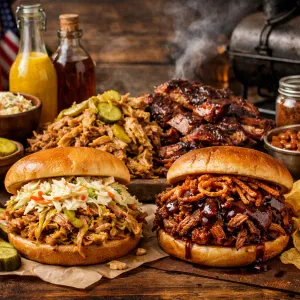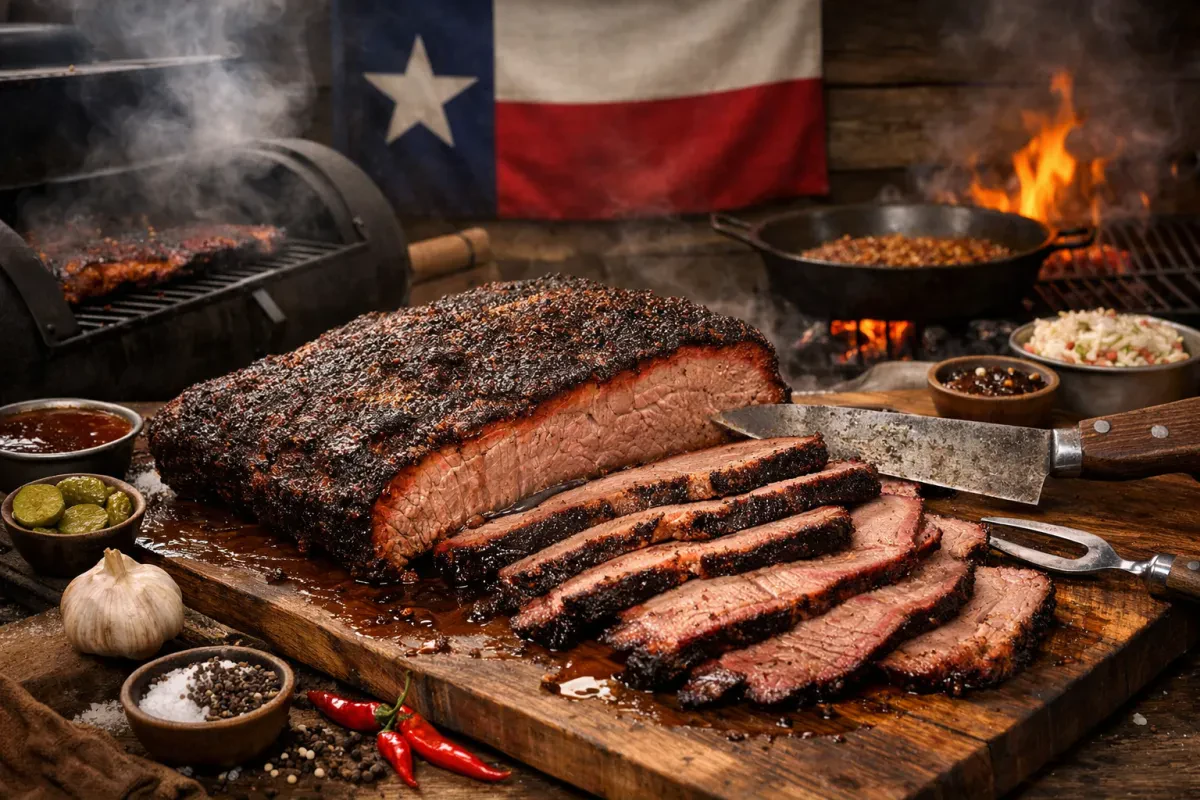
When it comes to cooking Texas brisket, the magic is all in the technique. You want to master low and slow cooking to get that perfectly tender, juicy smoked beef brisket everyone raves about. This method turns what could be a tough cut into something absolutely delicious. Let's dive into how to get it just right.
First off, seasoning is key. Don't skimp on the rub! A simple mix of salt, pepper, and some garlic powder goes a long way. Let the brisket sit with the rub on it for a few hours—or even better, overnight. This gives the flavors time to soak in, setting you up for success when you throw it on the smoker.
Now, when it comes to setting up your smoker, aim for a steady temperature between 225°F and 250°F. Stick to that low heat for several hours. Some folks wrap their smoked beef brisket in butcher paper halfway through. This helps retain moisture while still allowing that beautiful bark to form. Don’t rush the process. Good things take time!
As you cook, keep an eye on the internal temperature. You'll want it to hit around 195°F to 205°F for the ultimate melt-in-your-mouth experience. When that brisket is ready, let it rest for at least an hour before slicing. This step is crucial. It lets the juices redistribute, so you get every bite packed with flavor.
Choosing the Right Cut of Brisket
When it comes to Texas brisket, choosing the right cut is key to making the best smoked beef brisket. You’ve got two main parts to consider: the flat and the point. The flat is lean and perfect for those who prefer a tender bite. The point, on the other hand, has more fat marbling, which means more flavor and moisture. If you want that melt-in-your-mouth experience, reach for the point.
Look for briskets that have a nice layer of fat on them. That fat renders down while smoking, adding incredible flavor and keeping the meat juicy. Don’t shy away from picking a brisket with a good size. A heavier brisket means more meat to enjoy and plenty of leftovers for sandwiches!
When shopping, try to look for an untrimmed brisket. You might see some pre-trimmed options, but leaving some fat on helps keep the meat moist while you master low and slow cooking. If you’re new to smoking, fear not! Starting with a whole brisket lets you practice your skills without the pressure of perfection.
Remember, each brisket is unique. Pay attention to the marbling and the thickness of the meat. A well-marbled brisket will give you that juicy, tender outcome you crave. Once you nail down the right cut, you’re one step closer to making the Texas brisket of your dreams!
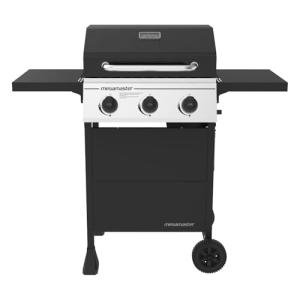
Megamaster 3-Burner Propane Grill with Folding Tables
Enjoy delicious meals outdoors with this portable and versatile grill designed for easy outdoor cooking
Product information
$199.97
Product Review Score
4.21 out of 5 stars
47 reviewsProduct links
Essential Tools for Perfect Brisket
When it comes to Texas brisket, having the right tools makes all the difference. If you want to master low and slow cooking, you need a few essentials in your grilling arsenal. Let’s dive into the must-have tools that take your smoked beef brisket from good to legendary.
First up, a reliable meat thermometer. You want to keep an eye on that internal temperature, especially when you're going low and slow. A good digital thermometer gives you quick, accurate readings, helping you avoid that dreaded undercooked or overcooked brisket. Look for one that has a long probe for easy access without losing too much heat from your smoker.
Next, consider getting a great quality smoker. Whether it’s a charcoal smoker or a pellet grill, the right smoker helps you maintain consistent temperature and smoke. A good flavor from hardwood can elevate your brisket game. Plus, a solid smoker lets you easily adjust the airflow, keeping your cooking environment just right.
Don’t forget about your brisket knife. A sharp, sturdy knife is vital for slicing your smoked beef brisket. Look for one that can easily cut through the meat and its thick bark. A good knife makes serving your brisket a breeze and ensures everyone gets those perfect slices.
Lastly, a proper cutting board is a game-changer. Choose one that can handle the juices and has enough space for your brisket. Bamboo or plastic boards work well, and having a groove around the edge can help catch any drippings, making cleanup much easier. With these tools in hand, you'll be ready to create the best Texas brisket your friends and family have ever tasted.
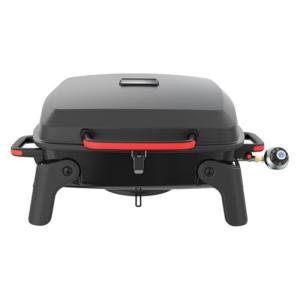
Megamaster Portable Gas Grill with Locking Lid
Enjoy delicious meals on the go with this easy-to-use, compact gas grill
Product information
$89.00
Product Review Score
4.11 out of 5 stars
113 reviewsProduct links
Tips for Flavorful Seasoning and Smoke
When you're getting ready to cook Texas brisket, seasoning is key. A solid rub can make all the difference in bringing out that savory flavor in your smoked beef brisket. You don't need to go crazy with fancy spices; a simple mix of salt, black pepper, and maybe some garlic powder can do wonders. Just make sure to apply it generously, covering the meat from every angle. Let it sit for a bit to soak up those flavors before it hits the smoker.
Don't forget about the smoke! The type of wood you use really packs a punch in the flavor department. Oak is a classic choice for Texas barbecue, giving you that deep, rich taste that pairs perfectly with brisket. If you want to experiment, a little mesquite can add a nice kick, but be careful—it can be strong! Just a handful of wood chips or chunks is all you need to infuse that smoky goodness without overpowering the meat.
When you’re ready to cook, controlling the temperature is important to master low and slow. Keep the smoker at a consistent temperature, usually around 225°F to 250°F. This allows the brisket to cook evenly and break down those tough fibers, resulting in that tender, juicy bite everyone's after. If you're worried about keeping the heat steady, consider using a water pan in your smoker to help regulate temperature and keep the environment moist.
Finally, patience is your best friend. Give your brisket plenty of time to smoke. Depending on the size, you might need anywhere from 10 to 16 hours—or even longer! Use a meat thermometer to check for doneness. You’re looking for about 195°F to 203°F. This is where magic happens, and your brisket becomes melt-in-your-mouth tender. Remember, a well-seasoned and patiently smoked Texas brisket is the star of the show!